
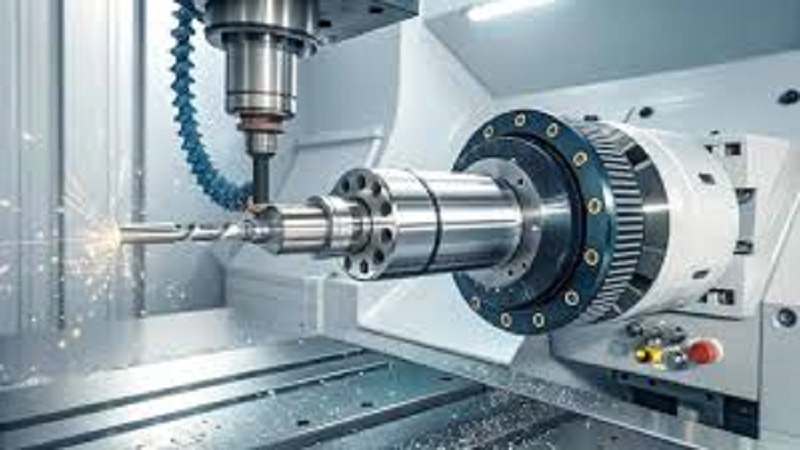
In modern manufacturing, precision and efficiency are essential. Whether producing machinery parts, working with wood, or designing metal components, industries rely heavily on tools that enhance accuracy and performance. One such specialized tool is the winkelbohrspindel, a device used to perform angled drilling operations with consistency and control. This article explains what it is, how it works, its applications, its advantages, and the best practices for using it safely and effectively.
What Is a Right-Angle Drilling Spindle?
A right-angle drilling spindle is an attachment or independent unit designed to drill holes at specific angles that standard drilling machines cannot easily achieve. It changes the direction of rotation, enabling drilling in confined or awkward spaces.
The winkelbohrspindel falls into this category of specialized drilling tools. It helps operators achieve precise angular drilling without repositioning the entire workpiece, saving time and reducing the risk of alignment errors.
Why Angular Drilling Matters
Angular drilling is essential in several industries due to the increasing complexity of modern designs. Components today often require holes drilled in tight corners, edges, or surfaces where traditional drilling equipment cannot reach. These applications appear in:
-
Automotive manufacturing
-
Aerospace engineering
-
Industrial machinery
-
Woodworking and cabinetry
-
Metal fabrication
-
Robotics and automation systems
Without tools like the winkelbohrspindel, completing such tasks would require manual workarounds, extra processing steps, or multiple machines.
Key Components of a Right-Angle Drilling Spindle
1. Angle Gear System
This system changes the direction of the drilling motion. Typically, bevel gears or angular gear sets are used to maintain smooth power transmission.
2. Spindle Housing
The housing protects the internal components and ensures the user can operate the tool safely under demanding conditions.
3. Drive Shaft
The drive shaft transfers power from the primary machine to the angled spindle head.
4. Chuck or Tool Holder
This secures the drill bit or cutting tool. Its quality determines how stable and accurate the drilling process will be.
5. Cooling and Lubrication Features
High-precision drilling can generate heat, so lubrication systems minimize friction and ensure a longer tool life.
How the Device Works
A right-angle drilling spindle works by redirecting rotational energy through gears. When the main drilling machine rotates, the spindle’s gearing changes the direction—often by 90 degrees.
This mechanism allows the operator to drill horizontally, vertically, or at unusual angles without repositioning the main machine or the workpiece. The winkelbohrspindel excels at maintaining accuracy despite the shift in direction.
Advantages of Using Right-Angle Drilling Spindles
1. Improved Precision
Since the spindle offers controlled movement at set angles, the drilling results remain consistent. This is crucial when working on complex components.
2. Access to Tight Spaces
Manufacturers often face limited space during assembly or machining. Tools like the winkelbohrspindel offer a solution by reaching areas where regular drills cannot fit.
3. Increased Efficiency
Switching between machines or re-positioning materials slows production. With this spindle, operators can perform angled drilling tasks quickly and in a single setup.
4. Versatility
These spindles work with various materials, including aluminum, steel, wood, plastics, and composite materials.
5. Reduced Material Waste
Precision tools minimize the risk of drilling mistakes, reducing scrap and improving production quality.
Industrial Applications
1. Automotive Industry
Vehicle components often require angled holes for fasteners, sensors, frames, and engine parts. The spindle makes these tasks simpler and more precise.
2. Aerospace Sector
Aircraft parts demand extremely accurate drilling to meet safety and performance standards. Angled attachments ensure the correct hole placements without damaging sensitive materials.
3. Metalworking and Fabrication
When constructing machine housings or metal structures, angled drilling is common. The tool allows fast and stable drilling in complex shapes.
4. Woodworking
Furniture, cabinets, and wooden frameworks often require angled joints or hidden screws. The spindle helps achieve smooth and clean results.
5. Automation and Robotics
Robotic assembly systems depend on accurate component fitting. The winkelbohrspindel enables controlled drilling during automated manufacturing processes.
Types of Right-Angle Drilling Spindles
1. Manual Right-Angle Attachments
These are lightweight and ideal for small workshops, carpentry, and general repair work.
2. Machine-Mounted Spindles
Designed for industrial use, these attach to CNC machines, milling centers, or drilling stations.
3. High-Speed Precision Spindles
These are used for advanced machining where speed and accuracy are equally important.
4. Heavy-Duty Models
Created for metal fabrication and large structures, these can withstand high torque and continuous operation.
Choosing the Right Spindle for Your Work
1. Consider the Required Angle
Some spindles can operate at fixed angles, while others allow adjustable settings.
2. Check Material Compatibility
The tool must match the hardness and density of the materials you plan to drill.
3. Look at Speed and Torque Requirements
High-precision applications need spindles that maintain stability at high speeds.
4. Confirm Tool Holder Size
This ensures your drill bits and attachments fit securely.
5. Evaluate Durability
Industrial environments require rugged construction and reliable performance.
Safety Guidelines for Using Right-Angle Drilling Spindles
1. Wear Protective Equipment
Always use gloves, goggles, and ear protection.
2. Secure the Workpiece
Movement during drilling increases the risk of inaccurate holes and injury.
3. Maintain Proper Tool Alignment
Even angle-adjustable spindles must sit correctly to avoid stress on the machine.
4. Inspect the Spindle Before Use
Check for signs of wear, damaged gears, or loose connections.
5. Use Recommended Drill Speeds
Following manufacturer guidelines reduces heat buildup and extends tool life.
6. Keep the Tool Clean
Dust and debris can affect the internal gears and reduce accuracy.
Maintenance Best Practices
1. Lubrication
Angled gears require regular lubrication to minimize friction and prevent overheating.
2. Gear Inspection
Worn-out gears affect the accuracy of the angle. Replace them as needed.
3. Tighten All Connections
Vibrations during machining can loosen bolts or clamps.
4. Monitor Bearings
Healthy bearings ensure smooth operation and reduce mechanical stress.
5. Store Properly
Keep the spindle in a dry, safe environment to avoid rust and contamination.
Common Mistakes to Avoid
1. Using Improper Speed Settings
Incorrect speeds may damage both the tool and the workpiece.
2. Ignoring Heat Levels
Continuous drilling without cooling can shorten the lifespan of the spindle.
3. Applying Excessive Force
Right-angle spindles are built for precision, not brute pressure.
4. Using Dull Drill Bits
Blunt tools lead to rough holes and increase mechanical stress.
5. Poor Alignment
Misalignment between the drill and spindle creates unwanted friction and vibration.
How the Tool Enhances Productivity
By enabling angled drilling without repositioning the workpiece, manufacturers save time and reduce costs. The tool also minimizes errors, reducing the need for rework. The winkelbohrspindel proves especially beneficial for assembly lines and mass production environments, where speed and accuracy directly affect output quality.
Future Trends in Angular Drilling Tools
1. Enhanced Precision Engineering
Manufacturers are increasingly developing spindles with advanced micro-gearing for better accuracy.
2. Smart Sensors
Upcoming models may include sensors that monitor heat, vibration, and alignment in real time.
3. Lightweight Materials
Using carbon composites or titanium may reduce weight without sacrificing strength.
4. Automation Integration
As industrial automation continues to expand, these tools will become standard components in robotic systems.
Conclusion
Angular drilling is essential in many industries, and right-angle drilling spindles play a key role in meeting these demands. The winkelbohrspindel offers precision, flexibility, and efficiency, making it a valuable tool in manufacturing, fabrication, woodworking, and industrial engineering. With proper handling, maintenance, and tool selection, it can significantly improve the quality and speed of drilling operations.
This versatile device continues to evolve with technological advancements, ensuring its relevance in future industrial applications.